


This open house was active February 2026. The content on this page may no longer be current. Learn more and sign up to receive emails about this project via Transportation Safety Action Plan.
To reduce fatal and serious injury crashes by 50% by 2045, the draft TSAP includes high-impact policies, programs and implementation strategies to address the following areas of emphasis:
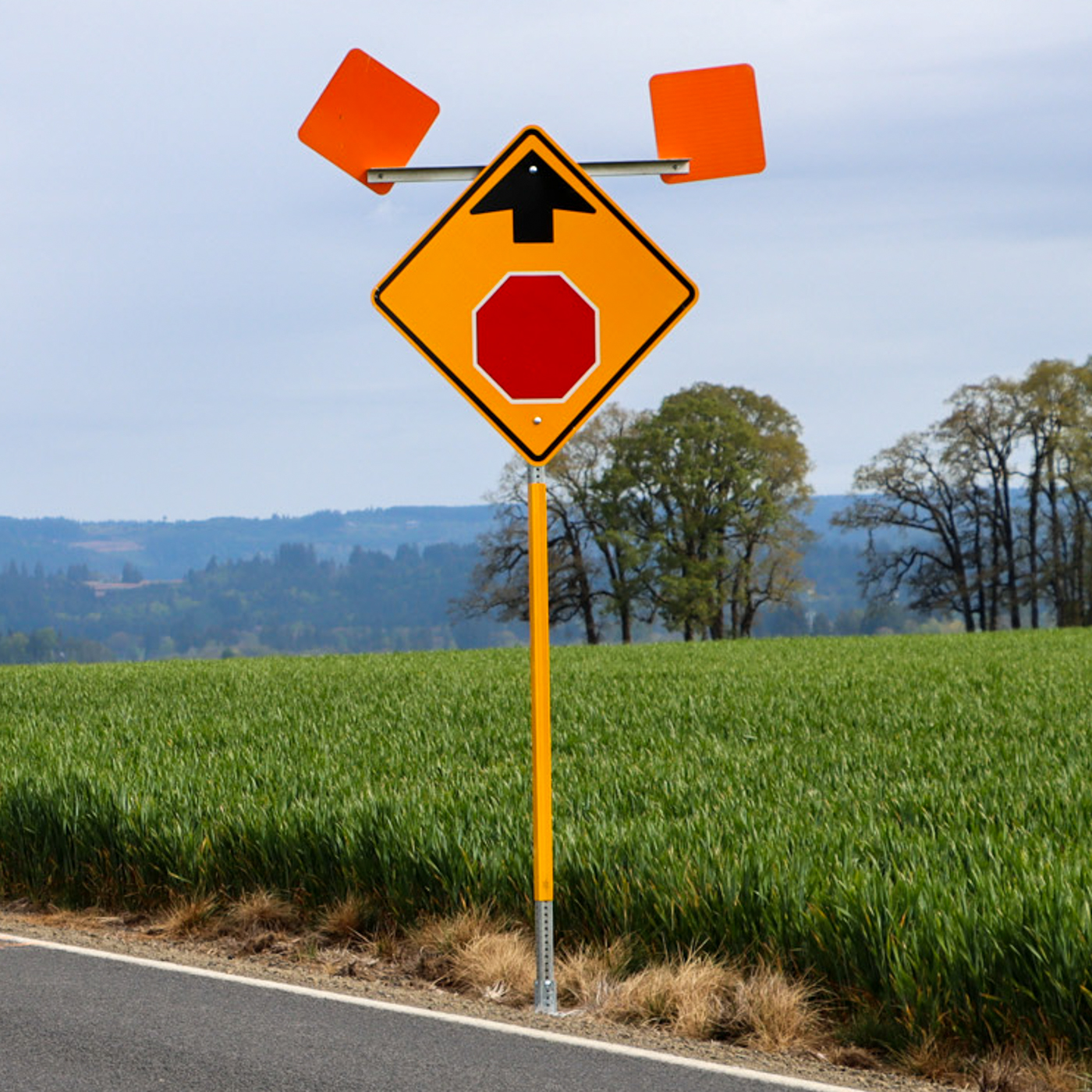
Alerts road users that they are approaching an intersection with signs or lights.
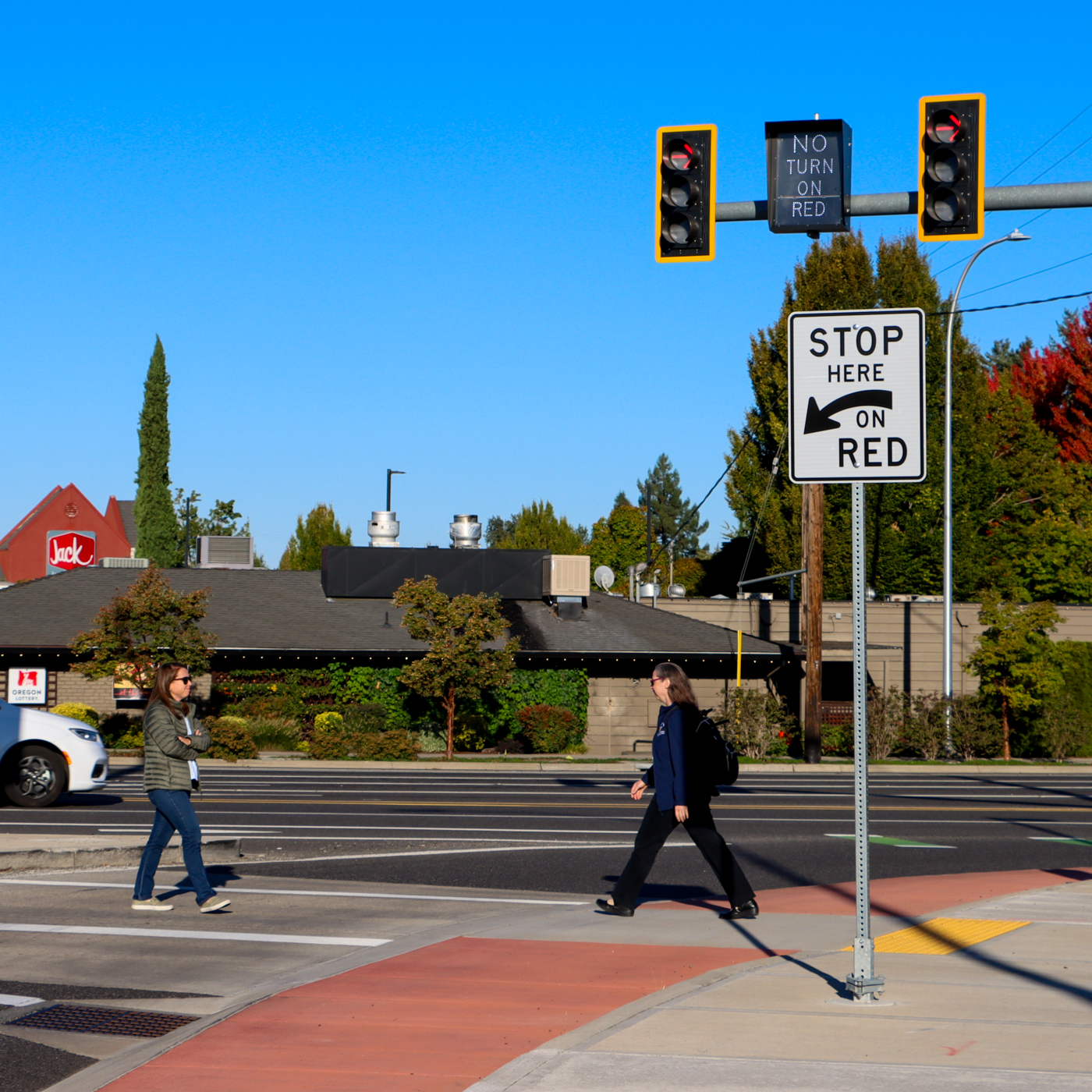
Intelligent traffic system that keeps vehicles stopped while pedestrians are crossing the street.
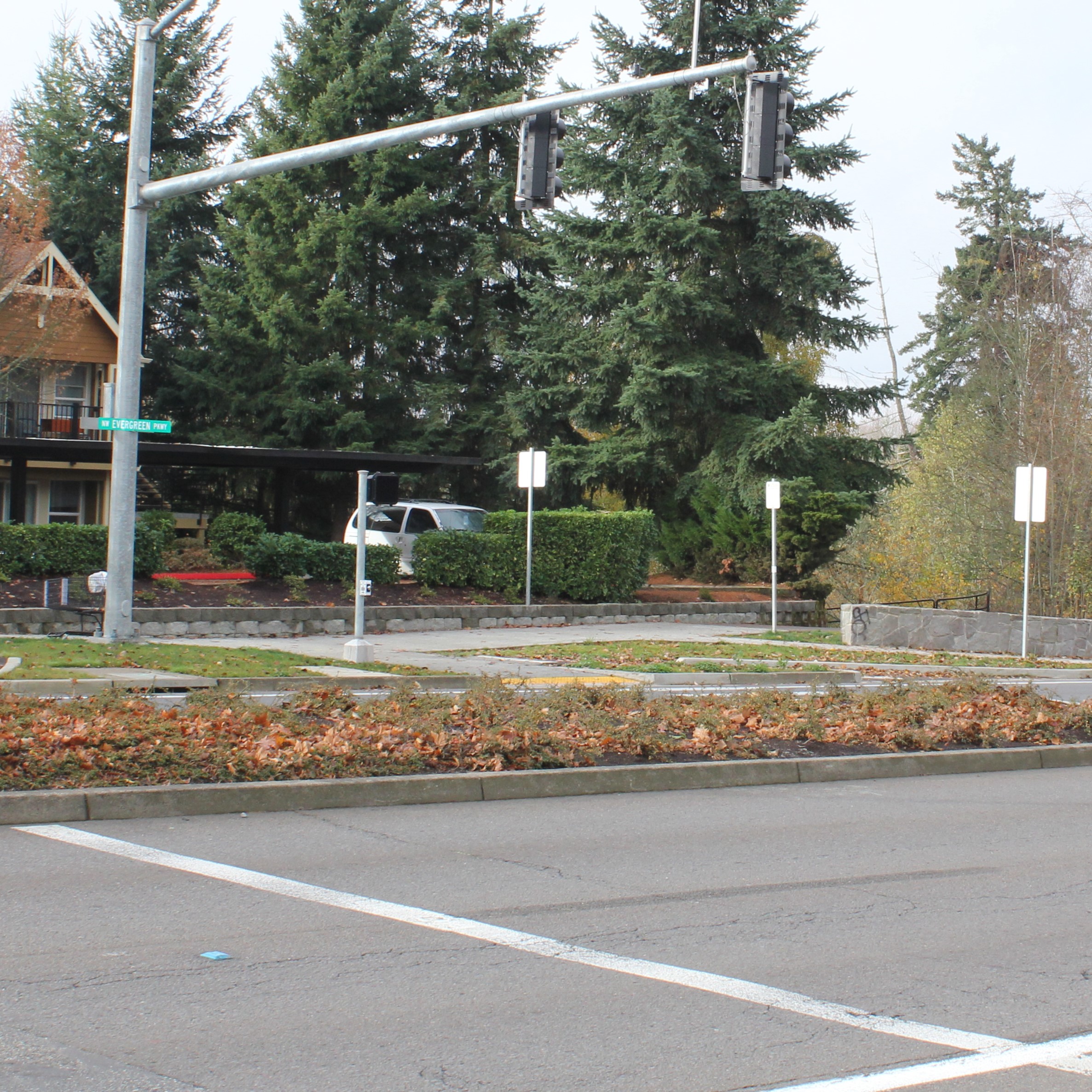
Creates a separation between opposing lanes and reduces conflict points where crashes may happen.
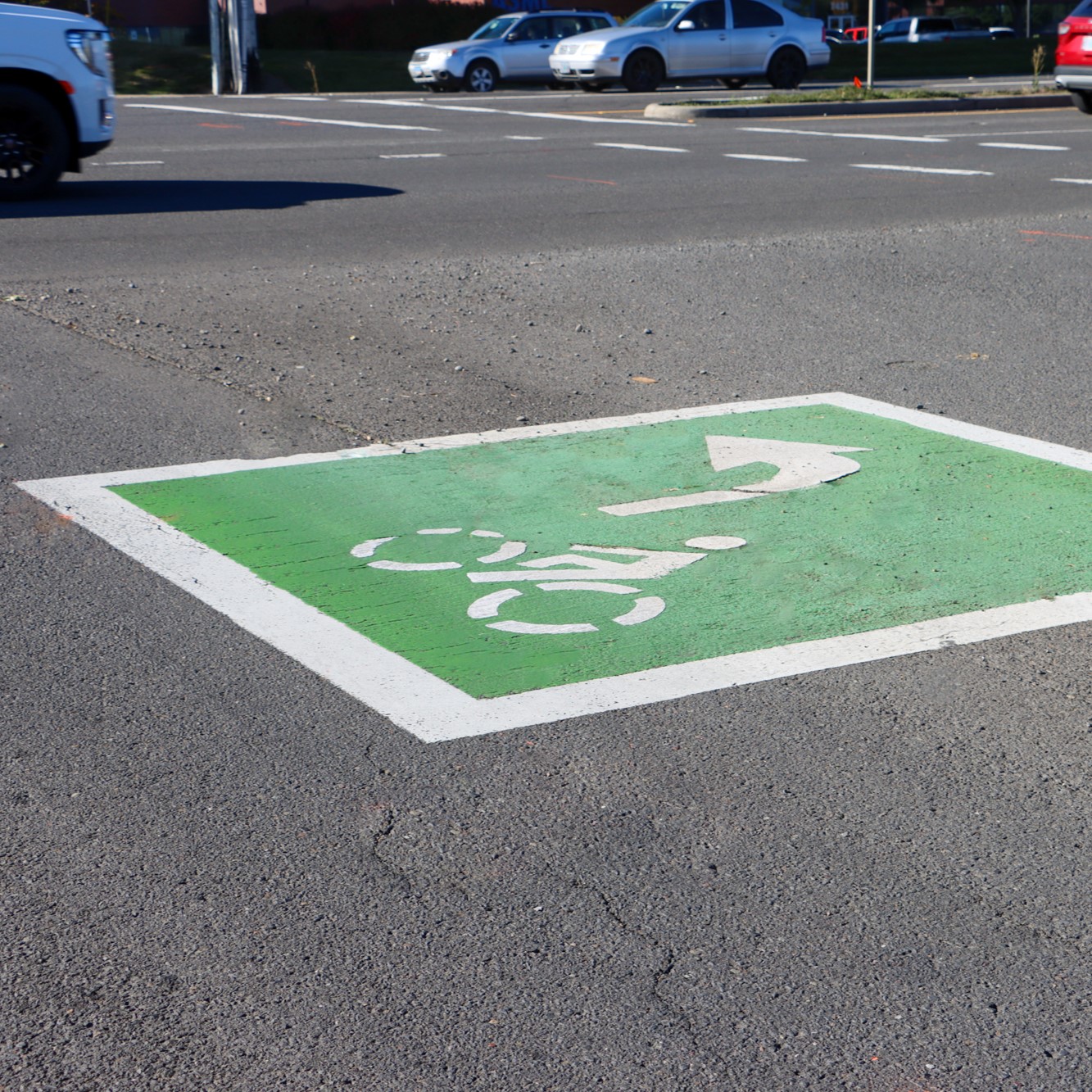
Green pavement markings at potential conflict points were where vehicles and bicycles travel paths cross.
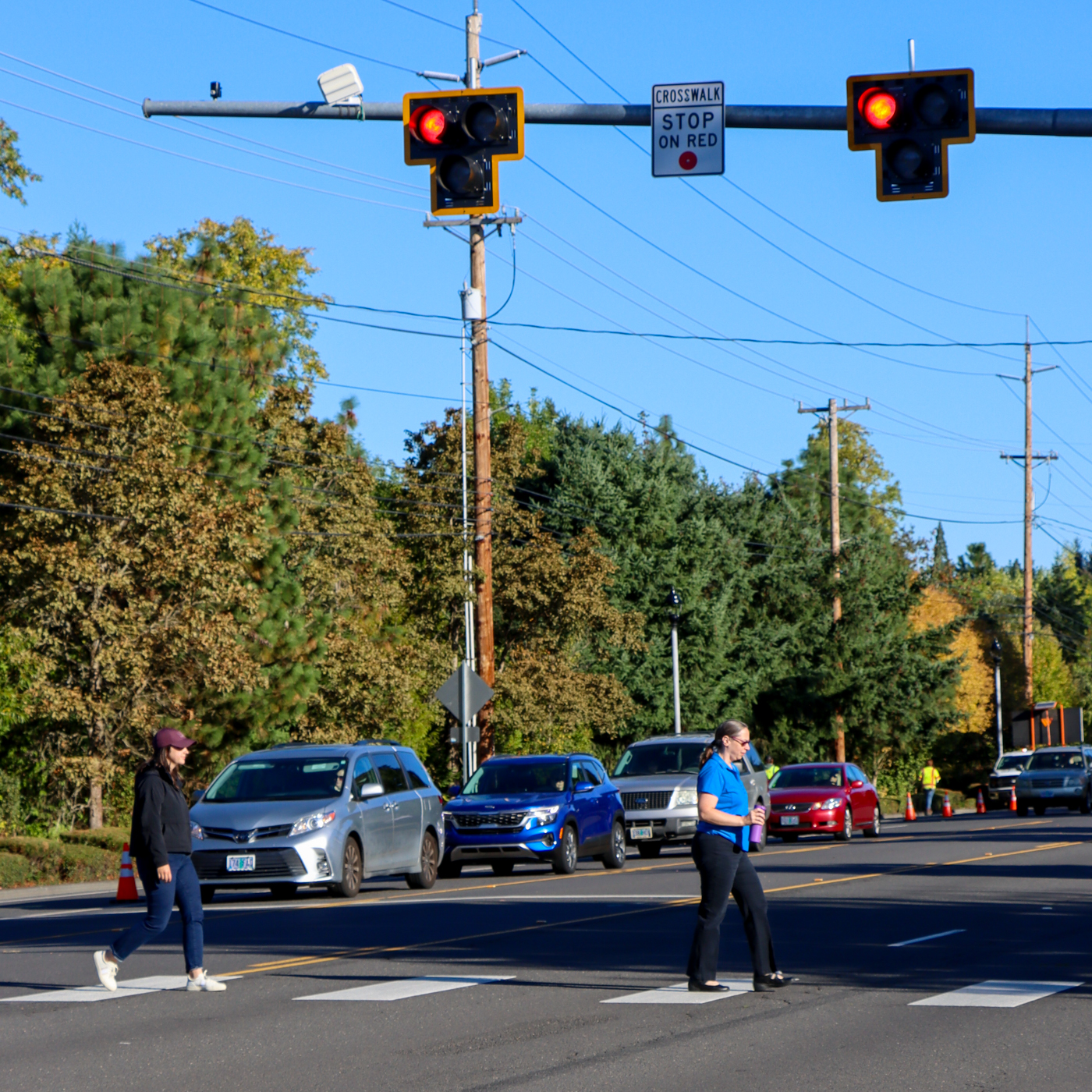
Makes pedestrian crossings more visible with Rectangular Rapid Flashing Beacons or High-Intensity Activated Crosswalks (HAWK, shown).
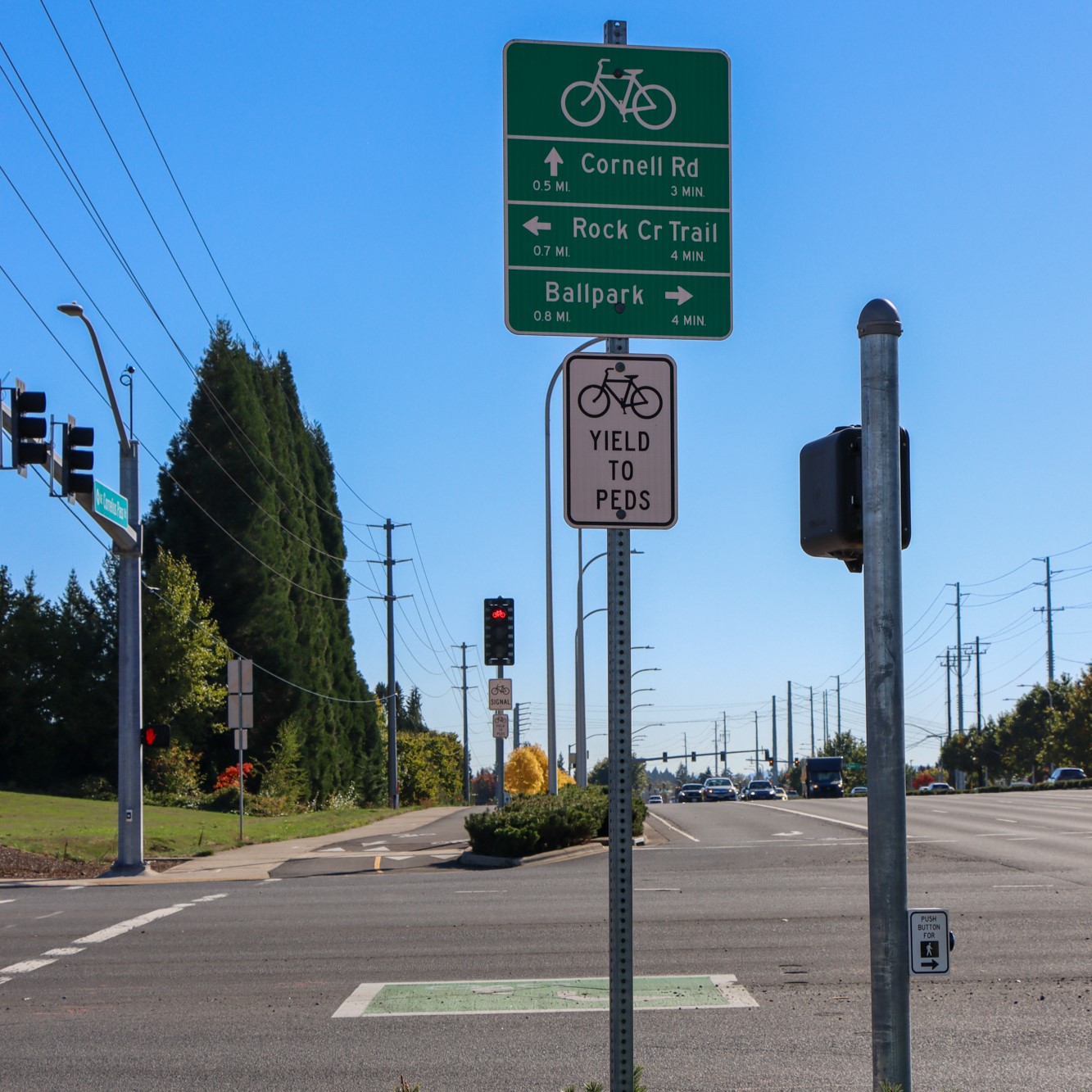
Physical separation of vulnerable road users from the street with multiuse paths, and raised or separated bike lanes.
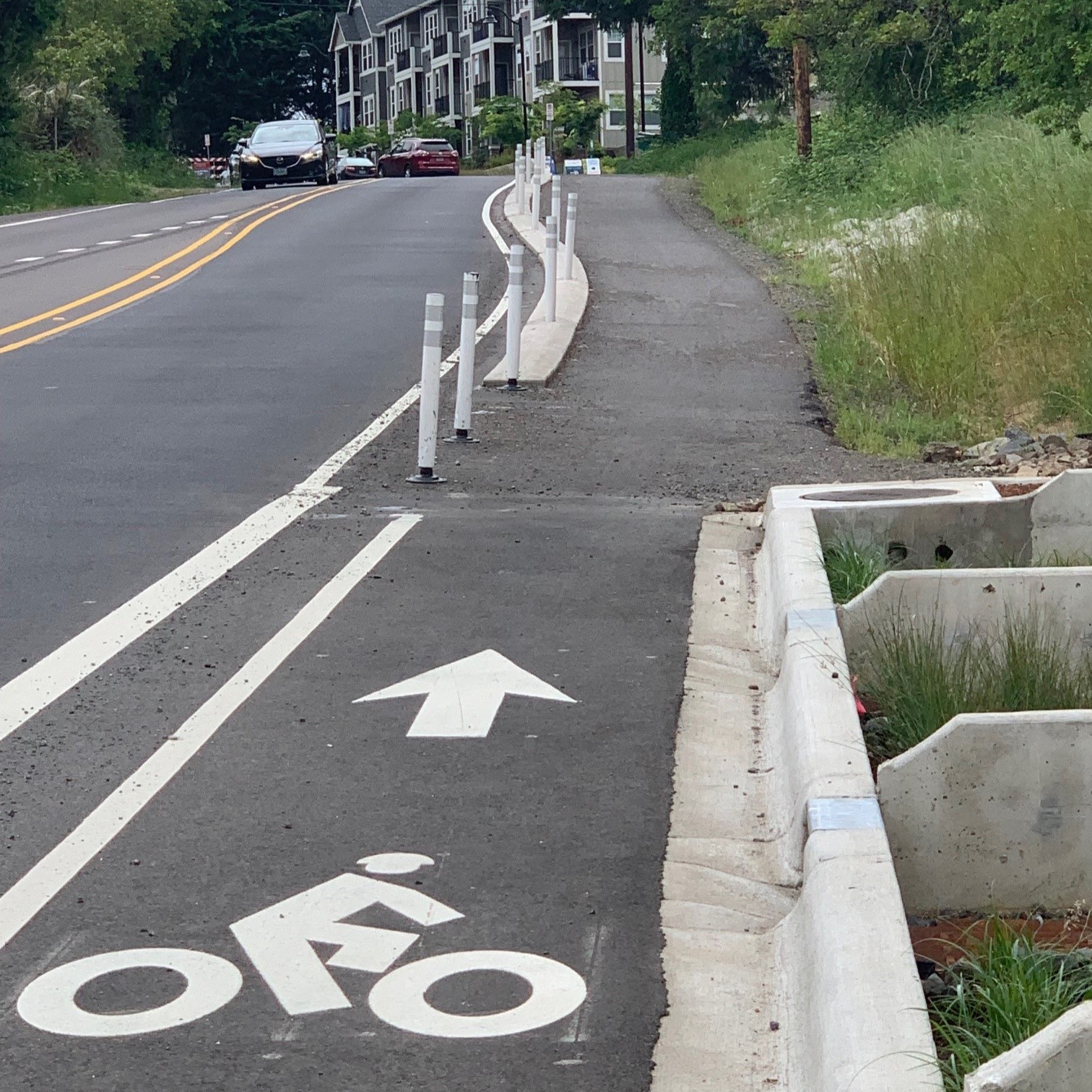
Recommended for rural areas to improve safety for vulnerable road users, such as cyclists.
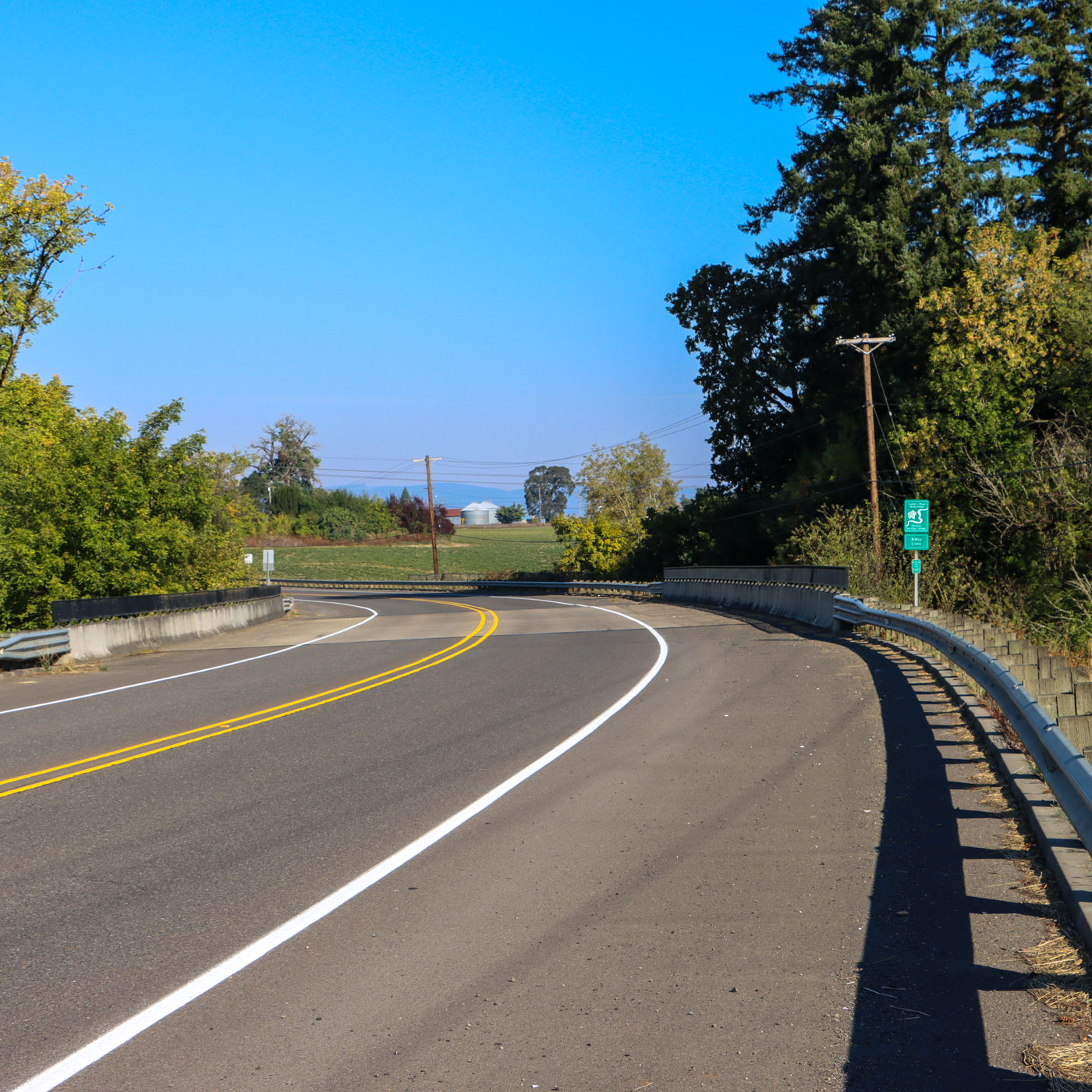
Recommended for rural areas to reduce roadway departures and separate drivers from fixed objects, like trees.
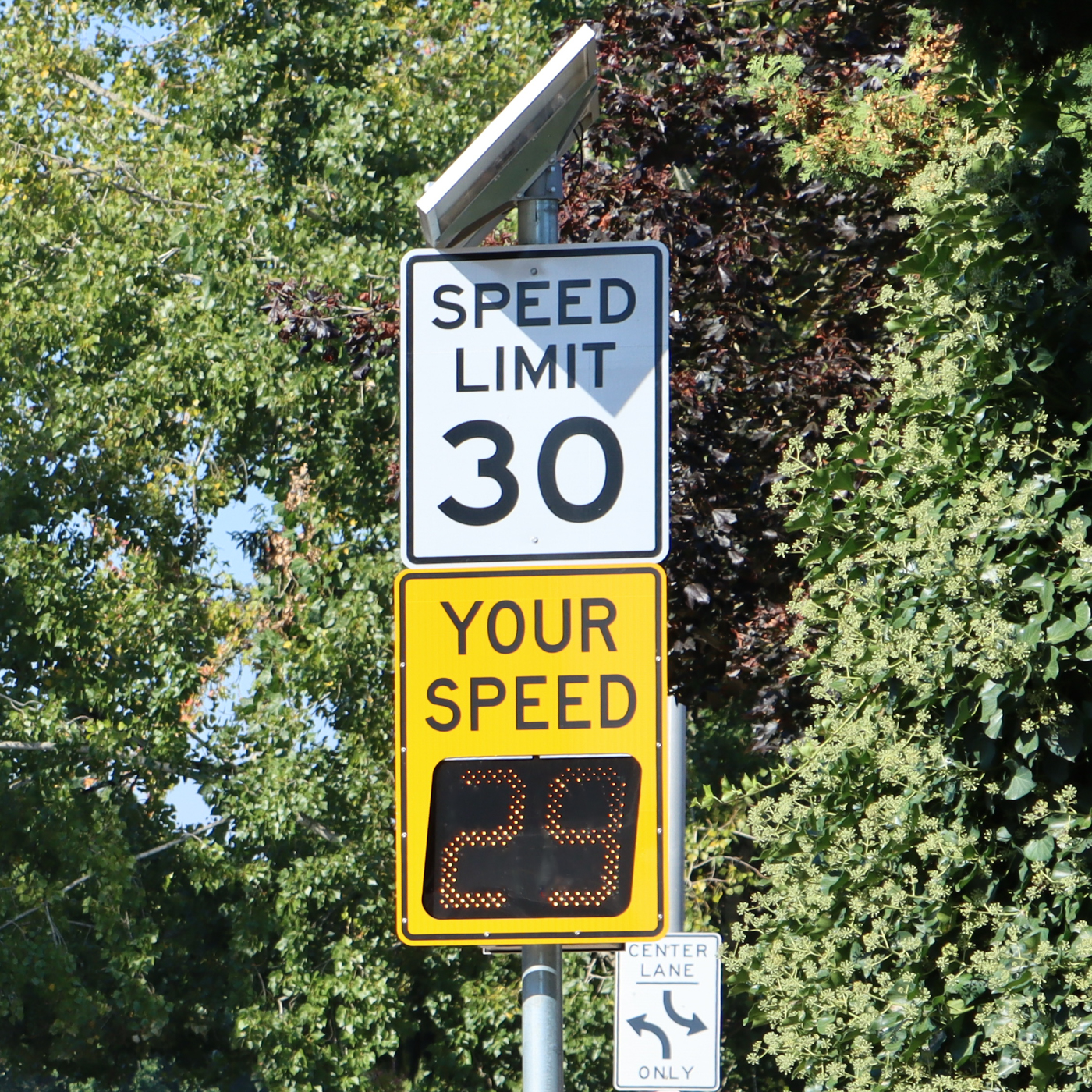
Recommended for urban areas to encourage lower driving speeds.
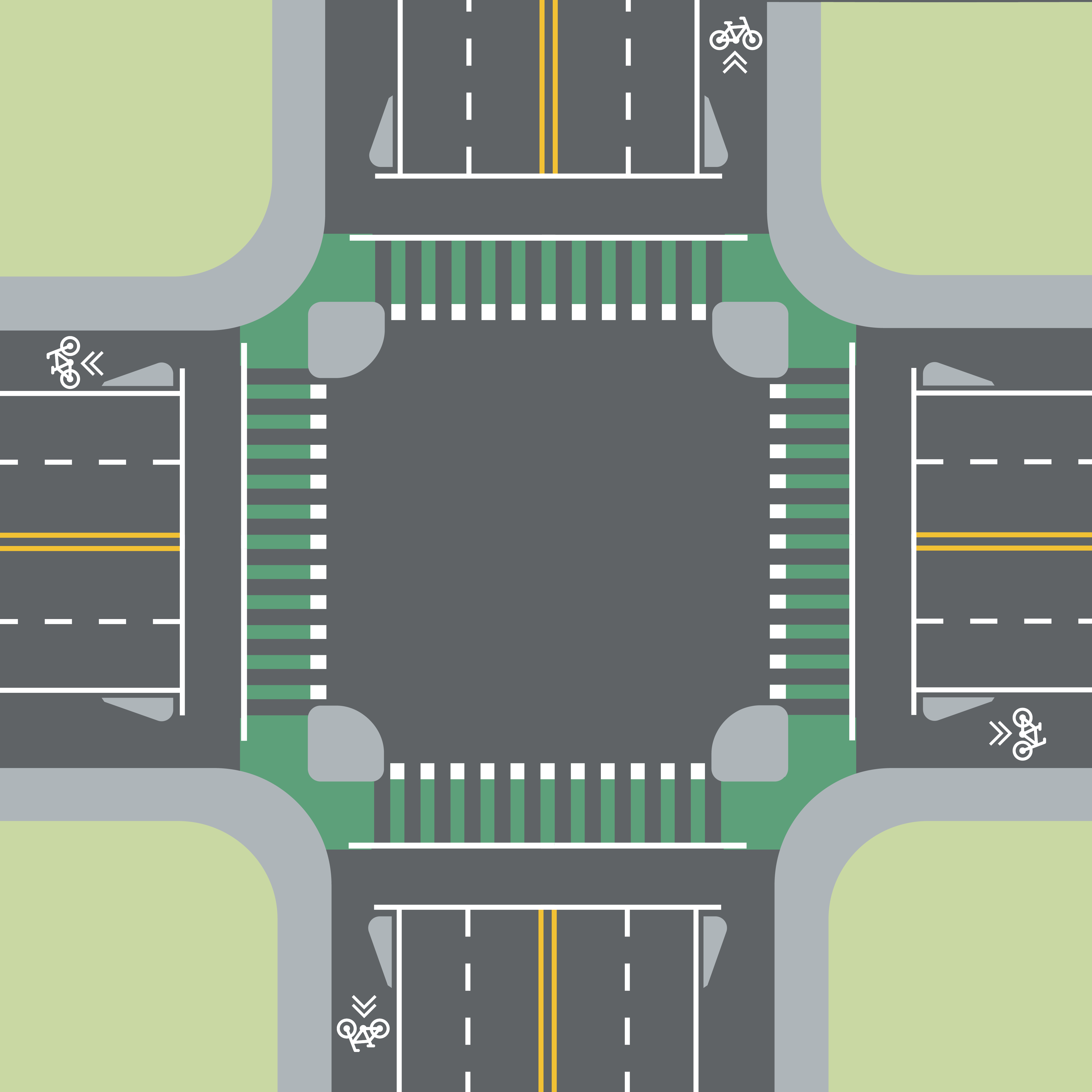
Separates cyclists from drivers and pedestrians, creates protected turns for cyclists and corner islands for pedestrians.
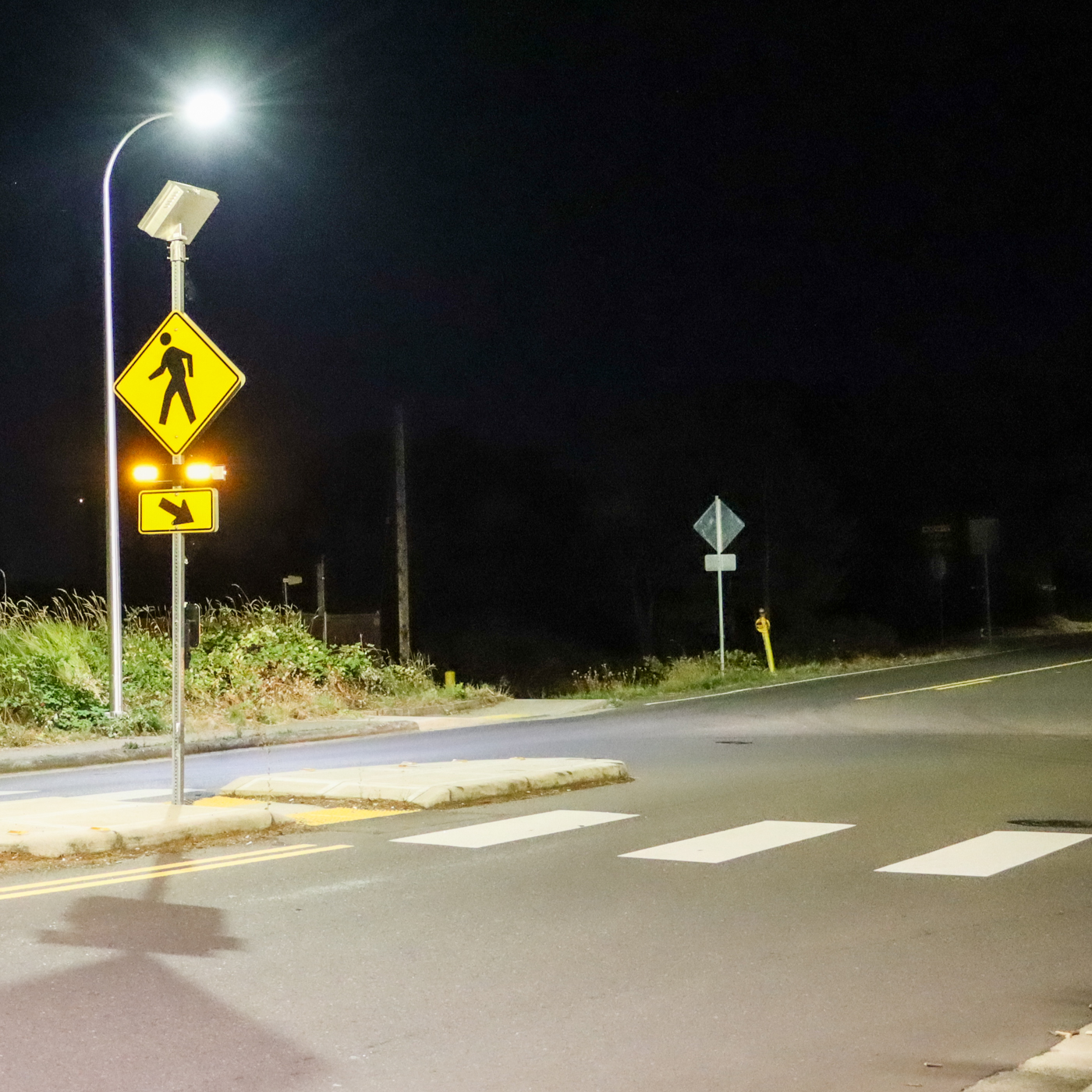
Promote transportation awareness through educational campaigns to reduce risky behavior.
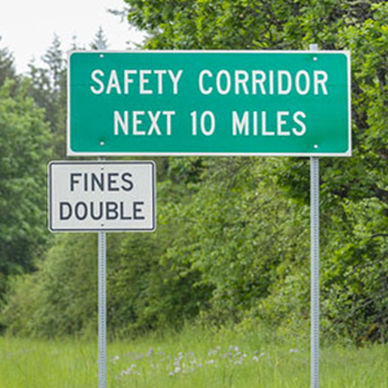
Temporary solution, including increased fines and enforcement, with plan for long-term improvements.